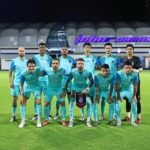

Category: Football

Negeri Sembilan FC in the Malaysia FA Cup: A Storied Legacy

1. The Rise of a New Contender (2003)

Negeri Sembilan FC clinched their first-ever Malaysia FA Cup title in 2003. In a dramatic final against Perlis, the match was sealed by a late goal from Everson Martinelli, following a comeback initiated by Effendi Malek. This historic win laid the foundation for the club’s emergence as a force in Malaysian football.

2. Redemption and Triumph in 2010

After years of steady progress — including Semi‑final finishes in 1993, 1999, 2006, and 2009 — Negeri Sembilan once again lifted the FA Cup in 2010.

Facing Kelantan, the final remained goalless through regular and extra time, ultimately being decided in a nail‑biting penalty shootout. Negeri Sembilan emerged victorious 5–4, with goalkeeper Farizal Marlias delivering a standout performance to secure the trophy.

3. Consistent Performers Through the Years

Over the decades, Negeri Sembilan FC has been a familiar contender in the FA Cup, reaching:

  • Semi-finals in 1993, 1999, 2006, 2009, and 2017
  • Quarter-finals in 1997, 2000, 2001, 2004, 2013, and 2023

As of 2024, they reached the Round of 16, reflecting consistent competitiveness in Malaysia’s premier knockout tournament.

4. A Golden Generation and National Recognition

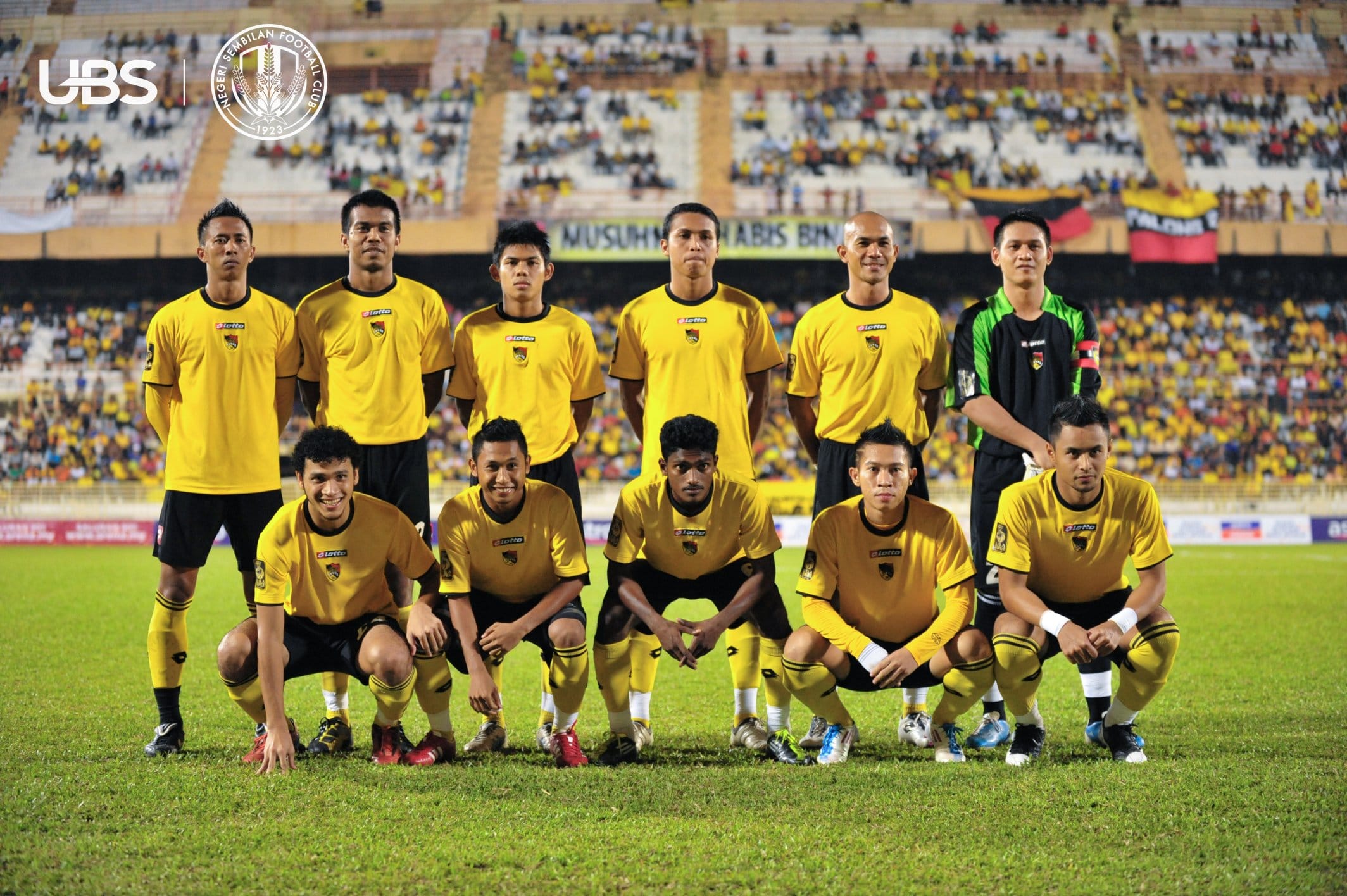
The period between 2003 and 2011 represented a golden era for the club. With standout players such as Shukor Adan, Aidil Zafuan, Zaquan Adha, Hairuddin Omar, S. Kunanlan, Farizal Marlias, and Shahurain Abu Samah, Negeri Sembilan enjoyed sustained success across competitions.

5. Honours at a Glance

CompetitionTitles
Malaysia FA Cup2 (2003, 2010)
Malaysia Cup3 (1948, 2009, 2011)
Malaysia League1 (2005–06)
Charity Shield1 (2012)

Why It Matters

Negeri Sembilan FC’s history in the Piala FA is not just about lifting trophies; it’s about narrating a story of resilience, strategic evolution, and competitive spirit.

Their first triumph in 2003 marked a major turning point; the dramatic 2010 win further solidified their reputation; and continued deep runs in the tournament underscore a legacy built on persistence and passion.

This blend of history and ambition paints a compelling narrative — one that resonates deeply with fans, stakeholders, and anyone passionate about Malaysian football.


Opponent Analysis: PDRM FC Home Piala FA 2025/2026

1. Tactical Identity – Two Faces of PDRM

PDRM FC have shown in back-to-back matches that they can adapt their approach depending on the opponent’s style, alternating between possession dominance and counter-attacking efficiency.

Match vs DPMM – Possession-Dominant Role

  • Possession: 64% — an unusually high share for PDRM.
  • Passes: 500 total (422 accurate), dictating play in midfield.
  • xG: 3.63 vs 1.53 — created more and higher-quality chances.
  • Reason: Early 0–2 deficit (conceded in 2’ & 6’) forced them to push forward, while DPMM sat in a deep block.
  • Tactical Adjustment: Full-backs pushed high, central midfielders (especially Tae-Soo Park) stepped into advanced positions, resulting in his two goals (68’, 72’).

Here, PDRM looked more like a front-foot, high-possession team, but still relied on direct vertical passes and crosses rather than intricate combination play.

Match vs Terengganu – Counter-Attacking Role

  • Possession: 44% — reverted to a compact 5-4-1 low block.
  • Passes: 358 total (291 accurate), focusing on quick transitions.
  • xG: 1.16 vs 3.37 — created fewer chances but were highly efficient.
  • Goals: Both from Bernard Henri Cedric Doumbia (13’, 53’) in fast transitions.
  • Reason: Terengganu’s high pressing and structured build-up limited PDRM’s ability to keep the ball, forcing them to defend deep and hit on the break.

This was the classic PDRM formula — disciplined defending, soaking pressure, and relying on their striker’s clinical finishing.

2. Strengths

a) Finishing Efficiency

  • Across both matches, PDRM scored 4 goals from 17 shots on target — an excellent conversion rate.
  • Doumbia in particular is ruthless, needing minimal touches to score.

b) Tactical Flexibility

  • Can switch between high-possession build-up (vs DPMM) and low-block countering (vs Terengganu) depending on game state and opposition.
  • This adaptability means they’re not one-dimensional, which is rare for teams in their league position.

c) Key Individuals in Decisive Moments

  • Tae-Soo Park: Goal-scoring midfielder with a late-box arrival threat (2 goals vs DPMM).
  • Doumbia: Target man, finisher, and focal point for both counter and possession play.

d) Goalkeeper Impact

  • Ifwat made 14 saves in two matches, including a crucial penalty save vs DPMM that preserved the draw.

3. Weaknesses

a) Vulnerability in Opening & Closing Phases

  • Early collapses: 2 quick goals conceded vs DPMM in first 6 minutes.
  • Late collapse: Conceded 90’ penalty equaliser vs Terengganu.
  • Concentration lapses at both ends of matches have cost valuable points.

b) High Defensive Error Rate

  • 5 errors leading to shots vs DPMM, 6 vs Terengganu — one of the highest among league sides.
  • Mistakes in clearances and ball-handling under pressure invite unnecessary danger.

c) Struggle Under Sustained Pressure

  • Faced 22 shots in both matches — defensive shape often breaks down if pinned in their half for long periods.

d) Limited Creativity in Open Play

  • Even when dominating possession (DPMM match), chance creation relied heavily on direct balls, wide deliveries, and individual runs — less so on coordinated team build-up.

4. Standout Player: Bernard Henri Cedric Doumbia

Stats over the two matches:

  • 2 goals.
  • Match rating: 9.0 vs Terengganu — best on the pitch.

Strengths:

  • Finishing: Sharp inside the box, converts even half-chances.
  • Pace & Power: Stretches defences in transition, holds off centre-backs.
  • Versatility: Works both as a counter-attacking outlet and as a focal point in possession games.

Doumbia is PDRM’s most important asset.

5. Conclusion

PDRM’s back-to-back draws show they are a chameleon-like side:

  • Vs passive teams (DPMM): They can control possession, push high, and create volume in attack.
  • Vs dominant teams (Terengganu): They can sit deep, defend in numbers, and strike quickly on the break.

Path to improvement:

  1. Reduce defensive errors and early-game complacency.
  2. Maintain concentration in final minutes.
  3. Add another creative outlet to ease the burden on Doumbia and Tae-Soo Park.

If these areas are addressed, PDRM can evolve from a dangerous counter-puncher into a balanced, mid-table contender capable of beating any opponent.

Match Analysis: JDT vs NSFC Away Super League 2025/2026

The match between Johor Darul Ta’zim (JDT) and Negeri Sembilan FC (NSFC) was one of the most exciting in recent Super League seasons. For the first time in 4–5 years, a local league opponent managed to score 3 goals against JDT at the Sultan Ibrahim Stadium.

This shows that NSFC under Coach Nidzam is no ordinary side this season, they are capable of challenging other teams provided they maintain consistency and not just perform in one big game.

JDT’s Line-up & Early Mistakes

Under new coach Munoz, JDT rotated heavily, resting Arif Aiman and starting Iker Undabarrena, and Nacho as double pivots, with Sidibe and Oscar Aribas as wing-backs. This overconfidence backfired:

  • Within 30 minutes, JDT were 0–2 down.
  • Coach Munoz had to sub Arif Aiman in early and later replace Undabarrena with Afiq Fazail to regain midfield control.

JDT’s Weaknesses

  1. Midfield Protection – Playing two No. 8 types (Undabarrena & Nacho) left no proper defensive midfielder to cover the high back three or advancing wing-backs. NSFC exploited this gap with fast counterattacks and through balls. Loss of players like Natxo Insa and Hong Wan is felt.
  2. Backline Exposure – Park, Irazabal, and Eddy Israfilov are strong in duels but slow to recover against pace, especially when wing-backs are caught high. Poor tracking awareness let NSFC runners get in behind.
  3. Wing-back Recovery – Oscar Aribas and Sidibe pushed too high and were slow to transition into a back five, leaving the back three exposed.
  4. Goalkeeper Inexperience – Abad (18–19 years old) lacked communication and shot-stopping maturity, needing more time at this level.
  5. Attack Chemistry – Figueiredo and Jairo da Silva are individually good but lack combination play. Jairo also missed a penalty badly.

JDT’s Tactical Fix & Comeback

By 27 minutes, Munoz’s changes paid off:

  • Arif Aiman’s introduction transformed the attack, directly influencing goals via corners and open play.
  • Oscar Aribas moved to left wing-back, assisting a Bergson goal.
  • Afiq Fazail stabilized midfield balance.
  • Bergson vs Jairo for the main striker spot is still undecided.
  • Set-pieces (especially corners) are now a strength under Munoz.

NSFC’s Strengths

  • Courage to play openly against JDT, exploiting their high line.
  • Effective build-up from the back through Alex (on loan from Selangor), the creative midfield maestro.
  • Physical, pacy forwards like Esso and direct, clinical striker Jovan Motika (scored twice).
  • Goalkeeper Azri Ghani made several crucial saves.
  • Flexible defensive transitions, with Wai Lin dropping into a back five when needed.

NSFC’s Weaknesses

  • Protecting a lead: struggled to maintain defensive shape after going 2–0 up.
  • Vulnerable to counters once they lose possession high.
  • Drop in right-wing quality when Selvan was substituted.

Detailed Match Analysis

Scoreline & Flow

  • Final score: JDT 5 – 3 NSFC
  • NSFC shocked JDT with two early goals via fast, direct play, but JDT’s tactical switches turned the tide.
  • It was an end-to-end battle with both teams creating high-quality chances.

Tactical Overview

TeamFormation (approx.)ApproachKey Risks
JDT3-4-1-2 (morphed after changes)Possession-heavy, wing-back width, reliance on Arif Aiman’s creativityMidfield gaps, high line vulnerability
NSFC4-3-3Build-up through Alex, quick vertical passes to pacey forwardsDefensive depth after leading, wing defence when Selvan subbed

Key Phases

  1. Early NSFC dominance – Exploited JDT’s unprotected midfield and high defensive line. Jovan Motika’s direct runs were lethal.
  2. Munoz’s intervention – Early subs brought balance and creativity; Arif Aiman became the game-changer.
  3. Set-piece mastery – JDT scored twice from corners, showing a growing weapon under the new coach.
  4. Endgame pressure – NSFC’s inability to defend deep against sustained pressure cost them the result.

Standout Performers

  • JDT – Arif Aiman (match changer), Oscar Aribas (effective at LWB), Afiq Fazail (midfield control)
  • NSFC – Jovan Motika (2 goals), Alex (creative hub), Azri Ghani (crucial saves)

Key Statistics (based on transcript data & inferred trends)

  • Possession: JDT likely >60% after tactical changes.
  • Shots on target: JDT significantly more after Arif’s introduction.
  • Goals from set-pieces: JDT 2, NSFC 0.
  • Counterattack goals: NSFC 2 early in first half.

What This Means Going Forward

  • JDT – Must fix midfield screening and high-line vulnerability before AFC Champions Elite competition; cannot rely solely on Arif Aiman.
  • NSFC – Encouraging attacking display but needs better defensive game management to hold leads against elite opposition.

Negeri Sembilan FC: History, Success, Legends & Home of the Jangs

Negeri Sembilan FC, fondly known as NSFC or “The Jangs”, is one of Malaysia’s most historic football clubs, steeped in tradition and pride. Representing the state of Negeri Sembilan, the club has played a significant role in shaping the landscape of Malaysian football for nearly a century.

History of Negeri Sembilan FC

The club’s roots date back to the 1923, under the name Negeri Sembilan FA (NSFA). It became a competitive force in Malaysian football through participation in state-level and national tournaments such as the Malaya Cup, which later evolved into the Malaysia Cup.

Throughout the decades, the team has undergone transitions both on and off the pitch. In 2020, as part of Malaysia Football League’s privatization plan, the club was rebranded into Negeri Sembilan Football Club (NSFC), separating it from the state’s football association.

Achievements and Success

NSFC has enjoyed considerable success over the years. Some of their most celebrated achievements include:

  • Malaysia Cup Champions: 🏆 1948, 2009
  • FA Cup Winners: 🏆 2003, 2010
  • Charity Shield (Sultan Haji Ahmad Shah Cup): 🏆 2012
  • Premier League Champions: 🏆 2005, 2021

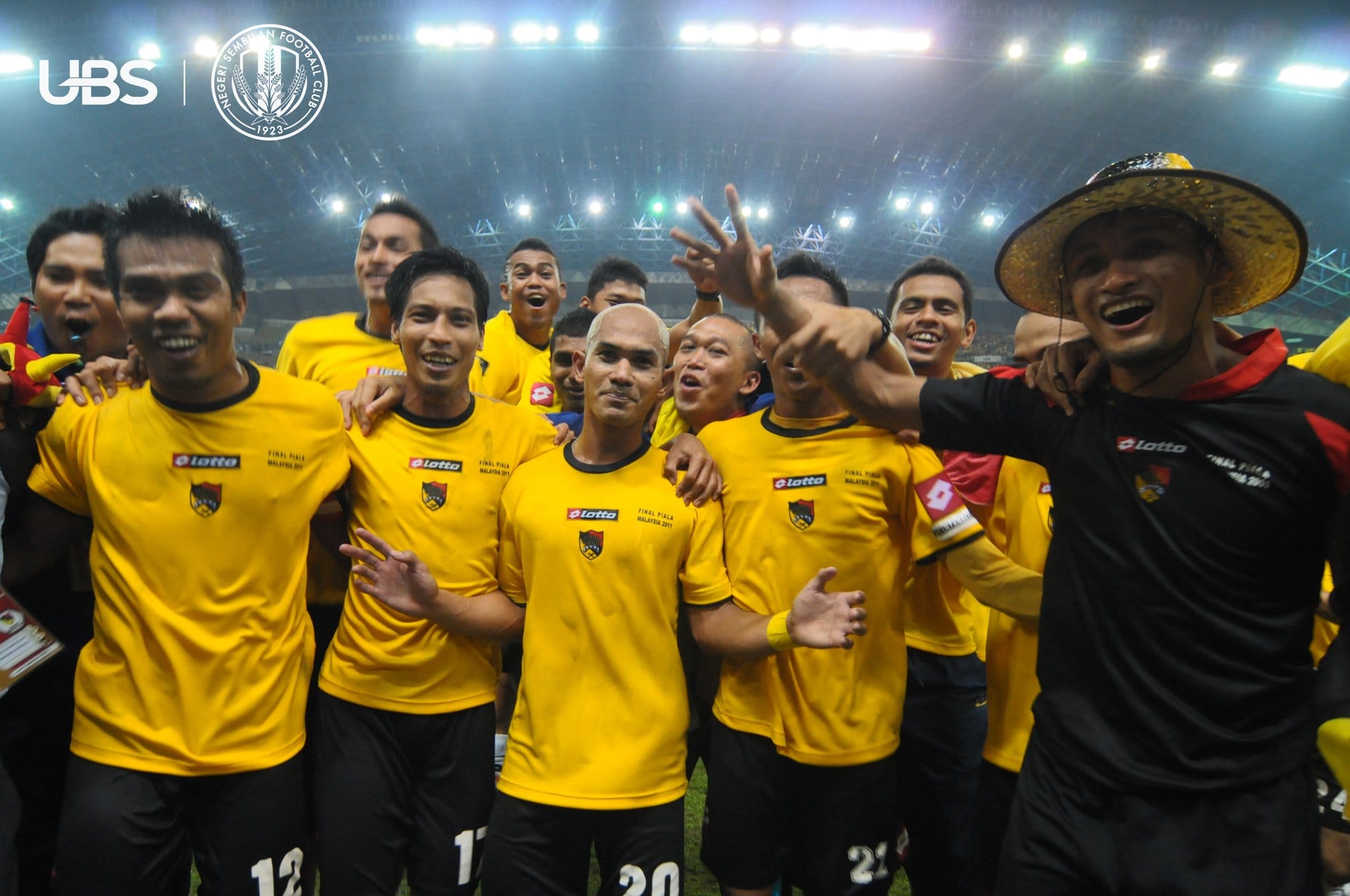
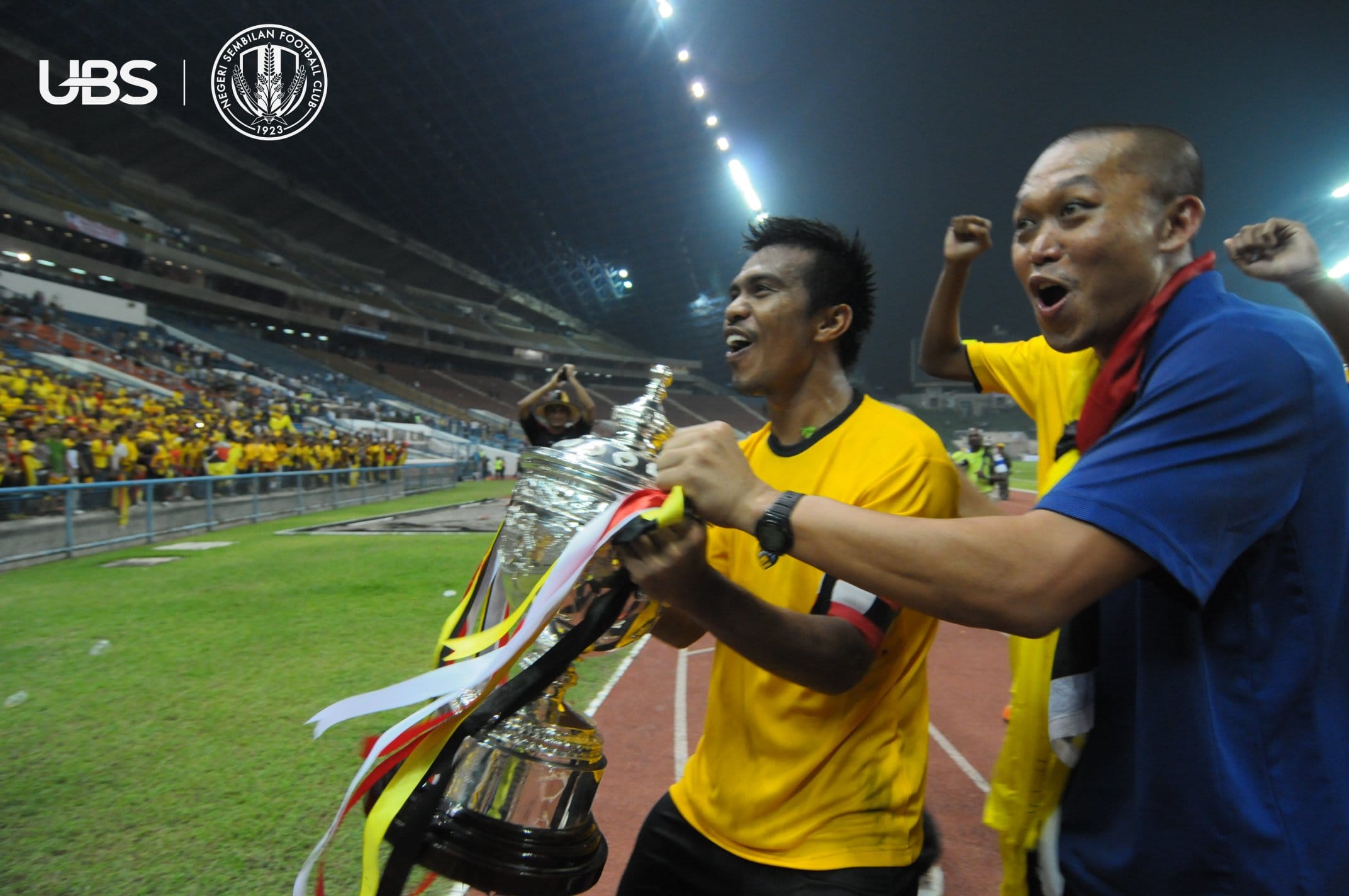
Their 2009 Malaysia Cup win was especially memorable, breaking a long drought by defeating Kelantan 3–1 in front of a packed Bukit Jalil stadium. The 2010 FA Cup win further cemented their revival in Malaysian football.

Legends of Negeri Sembilan FC

Negeri Sembilan FC has produced and attracted many iconic figures in Malaysian football:

  • Hairuddin Omar – Scored in multiple Malaysia Cup finals and captained the club to glory in 2009.
  • Shukor Adan – The legendary captain and defensive general, known for his leadership and longevity in Malaysian football.
  • Mohd Zaquan Adha – A homegrown talent, national team regular, and local hero known for his flair and goal-scoring ability.
  • Mohd Aidil Zafuan – Zaquan’s twin brother and one of Malaysia’s finest defenders, also developed from NSFC’s youth ranks.
  • K. Devan – The coach who led NSFC to its 2009 Malaysia Cup triumph and revitalized the squad.

These players and many others have contributed to the rich legacy of “The Jangs,” capturing the hearts of fans statewide and beyond.

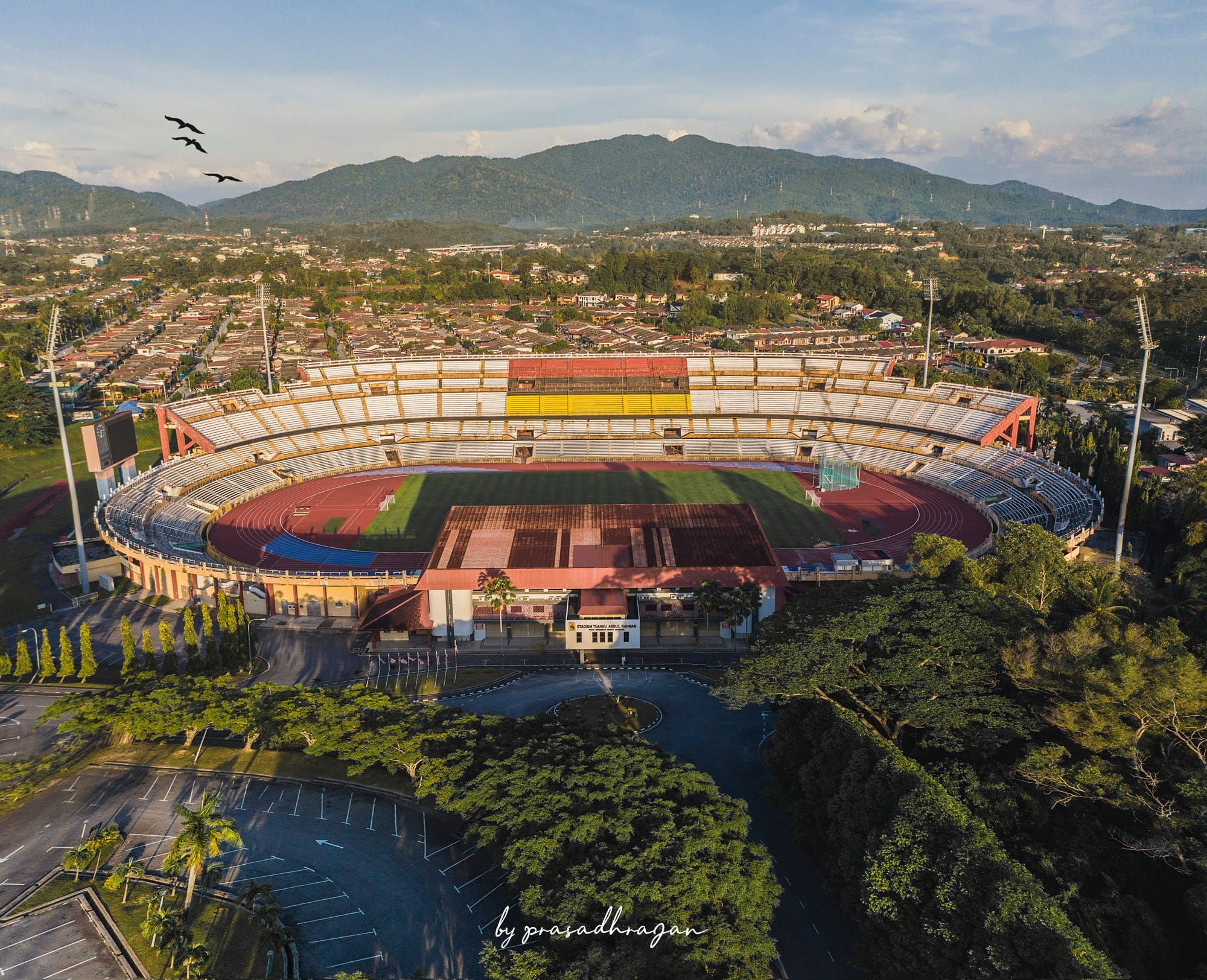
Home Stadium: Stadium Tuanku Abdul Rahman, Paroi

The beating heart of Negeri Sembilan FC is their iconic home ground, Stadium Tuanku Abdul Rahman, commonly known as Stadium Paroi.

  • 📍 Location: Paroi, Seremban
  • 🏟️ Capacity: Approximately 45,000 spectators
  • 🏗️ Opened: 1992

This stadium has hosted countless historic matches, including Malaysia Cup and FA Cup finals. It’s known for its passionate atmosphere, where fans clad in yellow and black create an electric environment on matchdays.

The Spirit of the Jangs

Beyond trophies, Negeri Sembilan FC represents identity and community pride. The club has one of the most loyal fanbases in the country, known as Hobin Jang Hobin—a chant that echoes the warrior spirit of the Minangkabau heritage.

From humble beginnings to national glory, Negeri Sembilan FC continues to evolve while staying true to its legacy. As Malaysian football enters a new era, NSFC remains a symbol of tradition, resilience, and ambition.

Hobin Jang Hobin!
Forever Negeri. Forever Football.

Opponent Analysis: Johor Darul Ta’zim FC Away Season 2025/2026

In this article, we will discuss the tactical preview of Johor Darul Ta’zim’s (JDT) likely approach against Negeri Sembilan FC in their upcoming Liga Super match on 12 August 2025.

Context & Tactical Philosophy

New Coach: Xisco Muñoz

  • Muñoz, newly appointed this June, is focused on instilling structure and adaptability during pre-season.
  • His methods emphasize tactical flexibility and building from the back in possession.

JDT’s Usual Style

  • Dominant, possession-based football: high passing accuracy, ball retention, strong attacking structure.
  • Attacking typically uses a five‑man attacking line covering all vertical channels. Wingers move centrally, fullbacks push up to maintain width.
  • This likely continues under Muñoz, with refinements in pressing and aggression.

Head-to-Head & Recent Results

  • JDT holds overwhelming dominance over Negeri Sembilan: in the last 6 meetings, JDT won all, including 4–0 on Nov 1, 2024, and 3–1 on May 18, 2024.
  • Negeri Sembilan has struggled at home, while JDT’s away performances have been stellar—including multiple clean sheets.

Predicted Match Setup

Likely Formation: 4‑2‑3‑1 or 4‑3‑3

  • Backline: Four defenders, with fullbacks overlapping high once possession is secured.
  • Midfield: Double pivot offering cover and connection to attack, enabling rotation and control in central areas.
  • Attack: Three advanced players (attacking mid plus two wide), supporting a lone central striker.
    • Wingers support inside moves, enabling fullback width.
    • Midfielders push through lines, overload central zones.

Key Tactical Themes

  • Ball dominance: High possession (>65%), control of tempo, patiently probing.
  • Width creation via fullbacks: Stretch Negeri Sembilan early before combining centrally.
  • Pressing: Midfield and front line pressing triggers early to win balls high.
  • Defensive solidity: Expect low goals conceded given JDT’s recent clean sheets and disciplined shape.

Negeri Sembilan’s Likely Reaction

  • Sitting deeper, compact defence, low build-up lines.
  • Relying on fast counter-attacks, especially via transitional play and set-pieces.
  • Focused on breaking the first phase of possession to limit JDT’s progression.

Summary Table

ASPECTEXPECTED APPROACH
Formation4‑2‑3‑1 or adaptive 4‑3‑3
Possession StrategyOrganized build from back, controlled tempo
Attack MechanicsOverlapping fullbacks + wide central support
Defensive SetupHigh pressing triggers + structured backline
Strategic FocusDominate midfield, limit counters

Final Thoughts

Under Muñoz, JDT will likely reaffirm their possession-oriented dominance while introducing greater tactical fluidity. Expect them to control the ball, stretch the pitch with fullbacks, and launch coordinated attacks through all vertical channels.

Coach Nidzam Jamil Tactical Overview

In this article, we will analyze Nidzam Jamil’s tactical style at Negeri Sembilan FC based on available reporting and data as of mid-2025.

Tactical Profile & Formation

According to Transfermarkt, Nidzam’s preferred system is an attacking 4‑3‑3 formation, emphasizing wide play and dynamic midfield control. This modern setup aligns with his broader reputation for encouraging possession, transitional attacking, and youth inclusion.

Youth Focus & Squad Rotation

  • Club statements highlight his track record in youth development, positioning young players into first‑team roles to build depth and continuity.
  • Independent analysis from Mandat Analytic notes Nidzam’s tendency to regularly integrate fringe or developmental players, giving them match experience, which helps sustain squad depth and overall readiness.

Expected Playing Style

Combining the above, here’s what Nidzam’s tactical blueprint at NSFC likely looks like:

  • 4‑3‑3 Base: A forward trio supported by a central midfield three—often featuring a holding midfielder, balanced by box‑to‑box or creative partners.
  • Wing‑focused attacks: Utilizing width to stretch opponents and deliver crosses or cutbacks into the box.
  • Mid‑block defensive approach: Using structured midfield lines to press out of possession, recover the ball efficiently, and transition to attack.

Strategic Priorities at NSFC

  • Long‑term identity building: His appointment in June 2025 is part of a strategic push to make Negeri Sembilan more modern, sustainable and youth‑oriented in their Super League campaign.
  • Key signings: Addition of players like national team striker Luqman Hakim Shamsudin, goalkeeper Azri Abd Ghani, and defender Ahmad Khuzaimi Piee suggests intent to pair tactical evolution with more experienced personnel.

Tactical Impact: Early Observations & Challenges

  • Rebuilding after 12th‑place (2024–25 season): NSFC finished at the bottom end of the Super League last season. Nidzam inherits a squad needing tactical upgrade and morale boost.
  • Rotation emphasis: Mandat Analysis suggests his use of rotation will help in long-term squad development yet may require balancing continuity with competitive results.

Summary Overview

TACTICAL THEMEDESCRIPTION
FormationAttacking 4‑3‑3 setup
Youth developmentHigh integration of younger/depth players
Squad rotationRegular rotation to build depth and match fitness
Strategic directionAligns with club’s long‑term modern, progressive identity
Recruitment strategyBringing in proven signings to support tactical shift

Final Thoughts

Nidzam Jamil’s plan for Negeri Sembilan FC involves transitioning to a modern, attacking style rooted in 4‑3‑3, supported by youth promotion and structured squad rotation. This approach aligns with the club’s ambition to rebuild competitively while laying sustainable foundations.